


Panoramic Doors™ problems often refer to issues associated with upkeep, adjustment, and knowing what to expect over time, not signs that something is wrong.
Like any premium sliding glass doors used daily, Panoramic Doors™ systems are engineered for performance and longevity, and they benefit from preventive care and a clear understanding of how the brand’s proprietary design is meant to function.
This guide is meant to offer ownership clarity rather than alarm, helping homeowners recognize what’s normal wear versus what’s avoidable with routine maintenance.

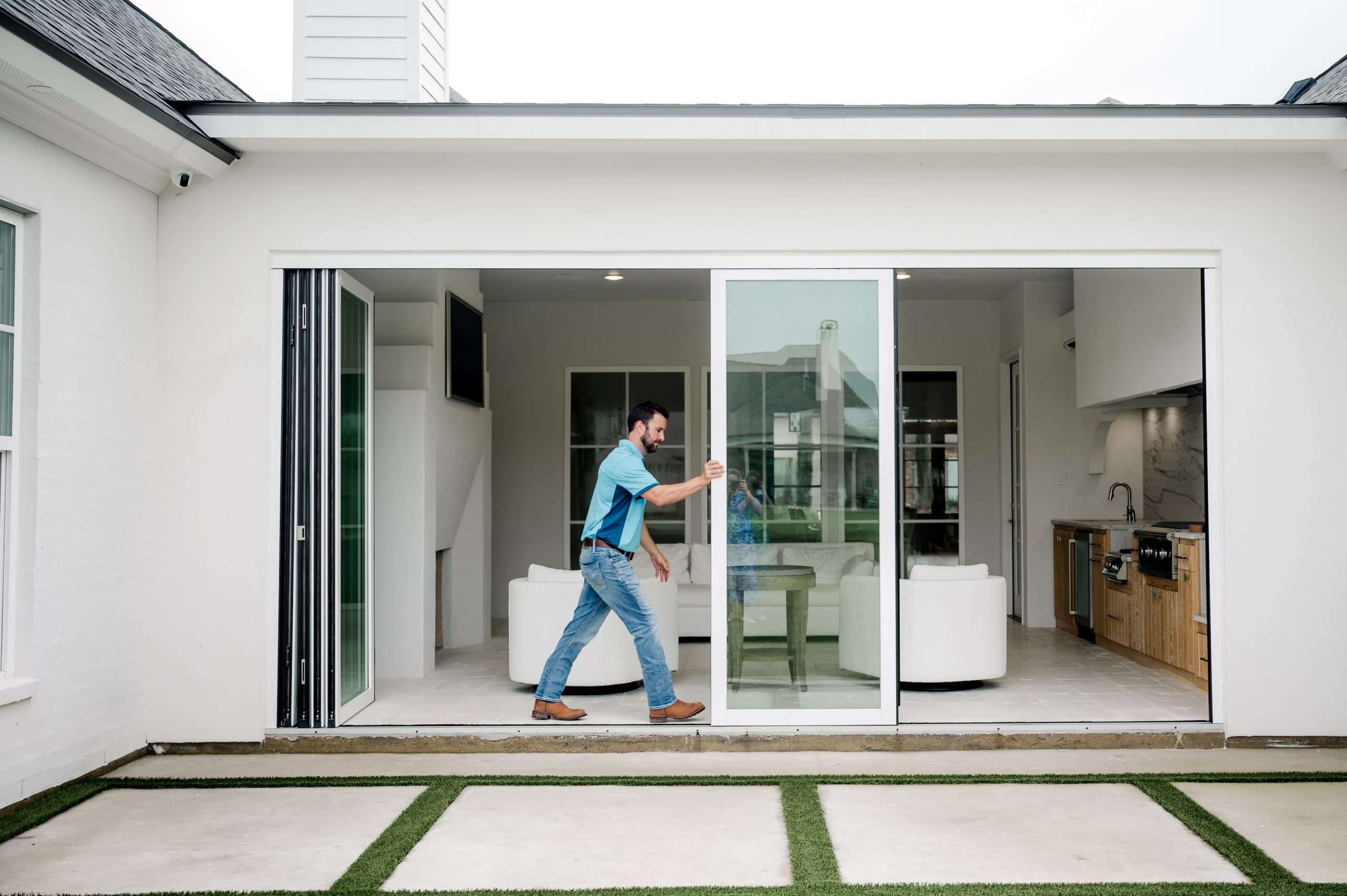
How Panoramic Doors and Sliding Glass Systems Really Work
Panoramic Doors™ are built around a particular system design that makes them different from traditional sliding doors and bifold doors. Rather than relying on hinged panels or stacked tracks, the system uses independently moving panels that slide and pivot smoothly, giving homeowners more control over how their opening functions day to day.
Unlike bifold systems that require swing clearance and overhead load support, Panoramic Doors™ operate on a bottom track–supported system. This allows the weight of the panels to remain evenly distributed along the track, reducing stress on the structure and supporting smoother operation over time.
The result is a sliding glass door system crafted for flexibility, durability, and easy usage in both residential and commercial spaces.
The independently moving panels allow homeowners to keep the door open partially or fully, depending on airflow, access, and how the space is being used.
This design is especially effective for large patio openings where flexibility, smooth movement, and structural balance matter.
Common Door Problems Homeowners May Encounter
When homeowners think about common door problems, the concerns are usually practical ones: how the door feels after months of use, whether it continues to operate smoothly, and how it responds to everyday wear. These questions are natural and often reflect normal changes rather than real mechanical issues.
Some experiences that homeowners notice include:
Panels that feel slightly heavier due to wear or environmental factors
Minor alignment changes after seasonal shifts
Dirt or debris collecting in the track from regular foot traffic
While these situations can feel frustrating, most do not indicate a serious problem. Regular use naturally introduces wear, especially in high-traffic openings. Understanding which changes are expected and which require attention helps ensure the door continues to operate as intended without unnecessary concern.

Common Issues with Sliding Doors and How to Spot Them Early

Sliding doors and sliding glass doors typically give early signs that maintenance is needed. Spotting issues early allows homeowners to address them with minimal effort before they become more disruptive.
Early warning signs to watch for include:
Rollers that sound louder than usual when panels slide
Track buildup from dirt or debris affecting smooth movement
Door panels that appear slightly out of alignment
Adopting a “simple steps” mindset makes a difference. Regularly clearing dirt from the track, keeping rollers clean, and checking panel alignment can prevent many common issues from progressing. These small habits help sliding doors maintain smooth operation and reduce the likelihood of more involved adjustments later on.
Sliding Glass Doors Maintenance Basics for Everyday Care
Proper care keeps sliding glass doors performing smoothly and helps prevent many common issues before they start. Routine maintenance doesn’t need to be complicated, because small, consistent actions make the most difference over time.
Everyday maintenance basics include:
Monthly cleaning: Wipe down glass, frames, and exposed surfaces with a gentle soap and water to remove dust and buildup.
Track care: Vacuum the track regularly to clear dirt and waste that can interfere with smooth movement.
Lubrication basics: Apply a silicone-based lubricant to moving components as recommended, as this supports smooth operation without attracting grime.
It’s important to avoid harsh chemicals, which can damage finishes or seals, and never use WD-40 on the track. WD-40 can attract dirt and create buildup that works against long-term performance. Following these simple steps supports everyday usability and helps extend the life of your door system.
For detailed, model-specific care guidance, homeowners can reference the FAQs: Maintaining Your Door section for step-by-step instructions.

Cleaning and Adjusting Door Panels, Tracks, and Rollers

Door panels, tracks, and rollers work together as a system, and even minor buildup can affect how smoothly everything operates. Dust, dirt, and small debris often collect where panels slide, gradually increasing resistance if left unaddressed.
What to focus on:
Panels: Keep surfaces clean and inspect edges for visible debris.
Track: Clear grooves regularly to prevent buildup that can interrupt the slide motion.
Rollers: Clean gently and check that they move freely without obstruction.
In some cases, adjusting the rollers or panel alignment helps restore smooth movement. Minor adjustments are often enough to correct subtle changes caused by wear or environmental conditions. Addressing these areas early keeps panels sliding evenly and reduces strain on the system.
Door Repairs vs Replacement
When issues arise, homeowners often wonder whether door repairs are enough or if full replacement is necessary. In many situations, targeted repair work can resolve the problem effectively without the cost of replacing major components.
Repairs may be the right choice when:
Rollers or hardware show wear, but the frame and panels remain sound
Adjustments restore proper alignment and smooth operation
Replacing a specific part costs less than a full system update
While some fixes require the right tools and experience, others may call for professional service to ensure safety and proper installation. Knowing when to repair versus replace helps protect both performance and budget.

Preventing Bigger Problems with Regular Maintenance

Repeated maintenance helps prevent small issues from becoming larger, more complicated concerns. Paying attention to key components supports both safety and long-term performance.
Preventive checks to include:
Hinges: Inspect periodically for smooth movement and secure attachment.
Locks: Ensure locking mechanisms engage fully and operate reliably.
Screws: Tighten loose screws before they affect alignment or stability.
Frame: Check for visible wear or shifting that could impact operation.
Door locks: Check periodically to ensure locking mechanisms engage smoothly and securely, as minor alignment issues can affect how door locks function over time.
These checks reduce stress on the system and help maintain secure operation over time.
Simple Steps to Troubleshooting a Sticking Sliding Door
A sticking sliding door can be frustrating, but in many cases, the fix is straightforward and doesn’t require complicated repair work. The first step is always cleaning. Dirt and trash buildup in the track can interfere with smooth movement, making the door harder to slide or causing uneven resistance. Homeowners looking for a visual walkthrough can reference guides on how to fix a sticking sliding door for basic troubleshooting steps.
Step 1: Clean the track and clear debris
Dirt and debris in the track often cause resistance, so vacuum and wipe it clean to restore smoother sliding.
Step 2: Check alignment and make minor adjustments
If the issue persists, use the right tools. Often, just a screwdriver can be used to gently adjust rollers or tighten loose hardware for better alignment.
Step 3: Know when to stop and seek help
When cleaning and basic adjustments don’t resolve the problem, pause DIY efforts and contact a professional to avoid creating bigger issues.
When to Contact Professionals and Use Warranty Support
While routine maintenance and minor fixes are part of ownership, some situations call for professional service. If a door continues to stick, feels unsafe to operate, or shows signs of wear beyond normal adjustment, professional support ensures the issue is handled correctly.
Warranty coverage plays an important role here. Panoramic Doors™’ warranty is designed to support homeowners when service is needed, not as a last resort, but as part of responsible ownership. Using authorized service channels helps maintain system integrity and prevents further damage.
Choose Panoramic Doors with Confidence
Caring for your door system starts with choosing one designed for reliability, flexibility, and long-term performance. By understanding Panoramic Doors'™ problems and maintenance upfront, homeowners can make the right decision that leads to smoother operation, fewer surprises, and lasting peace of mind.
Whether for residential or commercial applications, Panoramic Doors™ systems are designed to perform across a wide range of environments. Explore how these solutions are used in different settings by visiting the Industries section and see how Panoramic Doors can fit your space with confidence.